
Micro‑Collectibles & Blind‑Box Toys: Safety, Licensing & Factory Tips for 2025
Updated: Sep 1, 2025
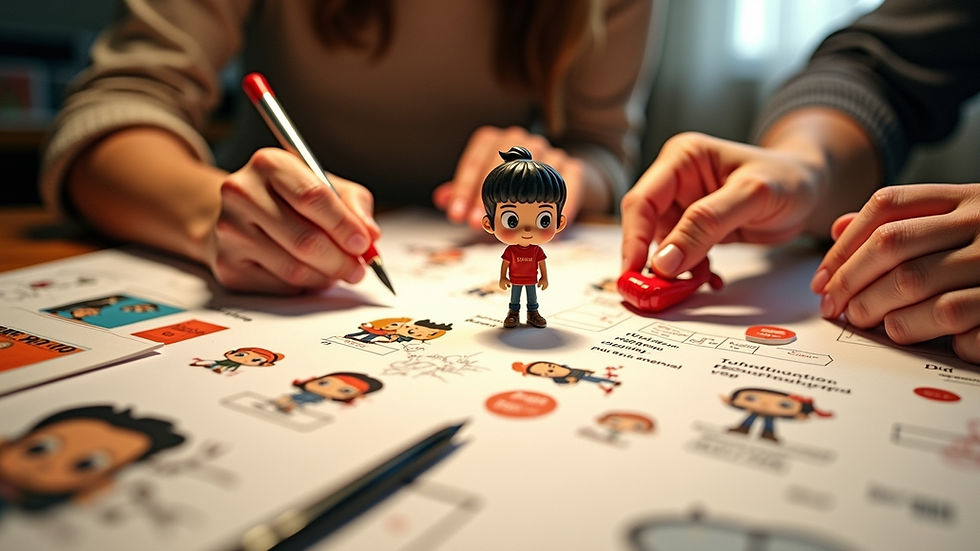
The Blind-Box Boom: Why It’s Still Growing in 2025
If you thought blind-box toys were just a phase, think again. From TikTok reveals to impulse buys at checkout lanes, these tiny toys are packing a big punch in 2025—and retailers are loving every minute of it.
At the heart of this trend is a simple but powerful concept: surprise sells. The mystery. The hunt. The need to “collect them all.” It’s a dopamine hit in a $4 capsule.
Blind-box and micro-collectibles are no longer niche. They’re a global phenomenon—and the numbers back it up. High repurchase rates, viral visibility, and relatively low price points make them one of the most profitable toy formats for retailers today.
But if you’re a toy brand trying to ride this wave, here’s the truth: getting it right is harder than it looks.
What Exactly Are Micro‑Collectibles?
Micro-collectibles are typically:
Small toys under 7 cm (sometimes much smaller)
Sold individually or in sets
Often packed in opaque, “mystery” packaging
Sold at impulse-buy price points ($2–$10)
Designed to be part of a larger series (and to make you want the full set)
You’ve probably seen (or bought):
Mini food items with personalities
Stackable figurines
Surprise pets or slime-filled capsules
Tiny plush keychains
Pop Mart–style vinyl collectibles
They’re popular with kids and adults. Why? Because collecting is universal, and blind-box formats scratch both the nostalgia itch and the thrill-of-the-hunt urge.
Packaging & Unboxing: The Emotional Hook
One of the biggest selling points of blind-box toys isn’t the toy—it’s the experience.
There’s psychology at work:
The anticipation of not knowing
The ritual of opening
The dopamine from a “rare” pull
The satisfaction of checking another piece off a collector card
In 2025, packaging formats that work include:
Foil packs with tear-open corners
Cardboard boxes with hidden windows
Reusable capsules or clamshells
Surprise layers (unwrap → crack → reveal)
The packaging must be:
Durable: No tears or dents in transit
On-brand: Mystery shouldn’t mean generic
Functional: Protect the toy and enhance the unboxing
The Safety Puzzle: Big Compliance for Tiny Toys
Here’s the elephant in the (tiny) room: micro-toys are also high-risk for compliance.
If your toy is under a certain size—or includes loose parts, squishy bits, or accessories—you’re walking a compliance tightrope.
Key safety standards:
EN71 (EU)
ASTM F963 (USA)
CPSIA (USA)
UKCA (UK)
Most micro-toys fall under choking hazard regulations, and age grading is critical. Some toys are perfectly safe—just not for the age they’re sold to. That’s where trouble starts.
A mistake here can:
Get your toy delisted by major retailers
Cause border holds
Lead to customer complaints or recalls
How to Label, Grade & Sell Safely
Packaging is your first defense. The labeling must:
Clearly state the appropriate age grading
Include choking hazard icons
Display testing marks (CE, UKCA, ASTM, etc.)
Show your importer/distributor info per market
Don’t leave this to chance. Retailers will check before placing any order, especially in Europe and North America.
If your toy is “not a toy” (e.g., marketed as a collectible for 14+), you might avoid certain tests—but only if you follow strict labeling and marketing rules. And even then, big-box stores may still require testing to cover themselves.
Factory Capabilities: Not Every Plant Can Make Micro‑Toys
Here’s something most indie brands don’t realize: making micro-toys is a specialty skill.
You’re dealing with:
Tiny injection molds with high precision
Small-scale pad printing or transfer decals
Manual assembly for multi-piece toys
Quality control to catch defects at scale
And don’t forget the packaging assembly line—capsules, inserts, heat seals, all need to run smoothly.
At Awen Hollek, we’ve visited plenty of “yes we can” factories… that absolutely could not. We only work with trusted partners who have:
Micro-scale molding experience
Clean-room level assembly lines (where needed)
Proven compliance documentation
Licensing in the Collectible Space: A Legal Minefield
Many of the best-selling blind-box lines are licensed properties. Think Pokémon, Hello Kitty, Disney, Sanrio, Marvel, or anime tie-ins. But here’s the kicker: you cannot skate by with “inspired by” designs anymore. IP law is getting stricter—and faster.
If you want to use a character or brand:
You need documented licensing rights
You must adhere to visual standards
Your factory must be approved for licensed production
Even smaller influencer or indie IPs require:
Signed contracts
Royalty reporting mechanisms
Testing approvals tied to brand usage
Trying to wing it? Risky. Very risky.
Blind-Box Brand Tips That Retailers Love
Retailers aren’t just looking for cool toys—they’re looking for smart category management.
That means:
✔️ Series-based product calendars
✔️ Collector guides and checklists
✔️ Retail display units with visual sorting
✔️ SKU planning that supports rare finds
Want to stand out? Offer:
A “rare” tier (1 in 20 or 1 in 50 chase items)
A QR code unlocking bonus content or stories
Display boxes that don’t require shelf resets
All of this helps increase shelf space, sales, and your reorder chances.
How Awen Hollek Helps Blind-Box Brands Go from Sketch to Shelf
This isn’t our first capsule rodeo. At Awen Hollek, we’ve helped multiple brands:
✨ Turn napkin sketches into blind-box winners
🧪 Navigate choking hazard and micro-toy testing
📦 Design high-retention, high-reveal packaging
🏭 Source factories that can handle volume, detail, and timelines
🧾 Structure licensing rights, documentation, and royalties
We don’t just help you make cute toys—we help you make profitable ones, safely, and retail-ready.
📬 Ready to launch your collectible line?
The Future of Blind-Box Toys
As we look ahead, the blind-box toy market shows no signs of slowing down. With the rise of social media, these toys are more visible than ever. Influencers and collectors share their unboxing experiences, creating a buzz that drives sales.
Sustainability in Toy Production
Consumers are becoming increasingly aware of sustainability. Brands that adopt eco-friendly practices will stand out. Using recyclable materials for packaging and ensuring ethical production practices will resonate with today’s conscientious buyers.
The Role of Technology
Technology will play a crucial role in the future of blind-box toys. Augmented reality (AR) could enhance the unboxing experience, allowing collectors to interact with their toys in new ways. Imagine scanning a toy with your phone to unlock exclusive content or games!
Expanding the Market
The market for blind-box toys is expanding beyond traditional demographics. Adults are increasingly drawn to these collectibles, leading to a surge in adult-oriented lines. Brands that cater to this audience with sophisticated designs and themes will thrive.
Conclusion
The blind-box toy phenomenon is here to stay. With a focus on experience, compliance, and innovation, brands can navigate this exciting landscape. By understanding the market and leveraging trends, you can create a successful line that captures the hearts of collectors everywhere.
Remember, the key to success in this industry lies in the details. From packaging to compliance, every aspect matters. Embrace the challenge, and you’ll find that the rewards are worth it.


Comments